Have you ever tried to wash up a Duvet? Have you ever tried to reassemble it afterward? Did you say bad words? Most likely.
Dismal Wizard consulted with aunts who confessed that they gave them to the Salvation Army after washing. Great shades of the Superman 3 villain played by Robert Vaughn.
Dismal Wizard figured out how to do it finally. He calls his secret technique “The Jelly Roll”.
Dismal Wizard has determined that the service life of a mattress is shorter than 35 years. About the time he retired in 2013, the back ache began. Was it stupid technique schlepping yard debris or something more sinister. Most likely both.
The Dismal not-so-big bed was a nice Simmons mattress set bought around 1985 before vulture capital swooped on Simmons, Sealy, Serta, well all the domestic mattress makers, to optimize them into a tidy profitable monopoly. American mattress quality promptly went to hell in a hand basket as verified and denounced by Consumer Reports product evaluations. So I was reluctant to trade the trusty old mattress for new.
Meanwhile Consumer Reports reader surveys determined that mattress life was about 10 years, give or take. And the Dismal Back started complaining that it was time with siatica, and hip tendon pain. Some experimentation determined that sleeping posture was involved.
Image courtesy of Rocky
Two things affect sleeping posture, Rocky and saggy mattresses. It was easier to replace the mattress so I started there.
Dismal Wizard was diagnosed with low grade cancer of the bladder lining about 16 months ago. American Cancer Society, The Mayo Clinic, and the British National Health Service have good clinical guides describing the disease and its treatment.
Bladder cancer involves well, the bladder so not much is written about the patient experience. After searching high and low for survivor experience, I found little to tell me what to expect on this journey. So to help those following in my footsteps, I decided to write a journal about my run-in with the disease. As always, the juicy stuff follows the led. And always, see your urologist for medical advice and remember that each case is unique.
A number of manufacturers of interesting kit have chosen to stay out of the smart home universe among them Ubiquity. Others like Nest play only in their own proprietary environment. HomeBridge is an open source software project that creates an environment in which Apple HomeKit bridges may be built. Smart home enthusiasts have developed over 2000 product plugins supporting popular devices.
Here at Dismal Manor we have two bridges, a Starling for Nest gadgets and Home Bridge on a RaspberryPi 4b that brings in the UniFi Protect camera RTSP streams.
The Starling is a commercialization of the Nest HomeBridge plugins. This product makes sense with the Thermostat and the cameras. It is less useful with just Protects.
In this article, I’ll describe my experiences setting up a UniFi Protect gateway and making the Ubiquity UniFi Protect cameras visible in HomeKit. UniFi Protect is one of the few camera systems having a Verified HomeBridge plugin.
Recently, IT System Integrator forums and YouTube channels have been all a-twitter because it appeared that a UniFi user ID and network connection were required to use any of the UniFiOS hosted controllers introduced with along with UniFiOS. After hearing Tom Lawrence and Willie Howe rant about the issue, I decided to experiment a little to see if their complaint was true of my deployment.
I wrote the previous post reporting my experience trying to log in to my controller host while divorced from the Internet. As expected, it smoked so I opened a ticket.
The various Internet communities can be helpful when I’ve overlooked something or misinterpreted something that is common product knowledge. When something appears to be a design issue, only the designers can help. So I ticketed my experience.
Ubiquity Support has responded with what appears to be the solution to my concern raised in the ticket, that local service should be possible during an Internet fade. Read on for the fix.
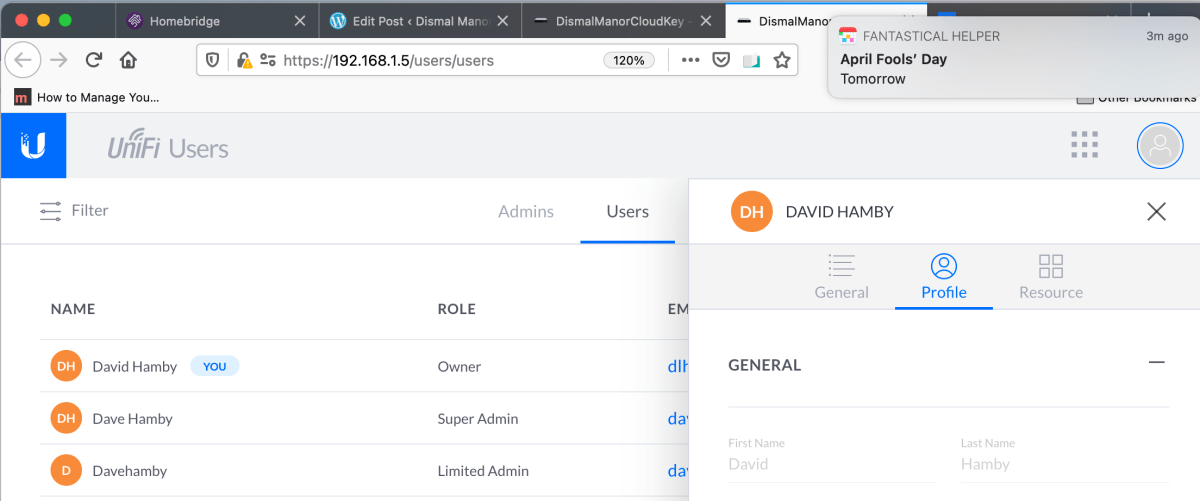
The good folks at Ubiquity have revised the architecture of the UniFi software system to provide a uniform user management and login environment for Network, Protect, Access, and the coming Talk.
A roles based access rights scheme greatly simplifies user administration and has greatly reduced the number of UniFi related passwords in 1Password. So, life is good in paradise? Not really. Read on to learn of the unanticipated consequences.
Our Roon Core was last installed in 2018 using Ubuntu Cosmic Cuttlefish. This was a fall version with only 2 years of support available. Given that it had dropped out of support, I decided to reinstall the VM’s Guest OS. This post shares what I learned.
After commenting on several posts regarding running Roon Core in a TrueNAS BHYVE VM in the Roon Community Forums, I get the occasional request for help troubleshooting a colicky Roon Core installation. Please stick to Roon recommended configurations unless you are a computer systems professional. Installation of Roon on Linux hardware or in a storage server virtual machine requires familiarity with the host operating system, host OS package manager, host OS virtual machine manager, creation of guest environments, and installation of Linux and applications in the guest environment. This is a lot to learn for non-professionals.
For DIY Readers
Most DIY-minded readers would be happiest running Roon Core on a Mac Mini backed up by a TrueNAS SOHO file server configuration. The Mac Mini can perform media management. The Mac Mini can back up your external media to TrueNAS using Time Machine. iX Systems ensures that TrueNAS is easily configured as a Time Machine storage server supporting encryption at rest and encryption in transit.
For My Other Readers
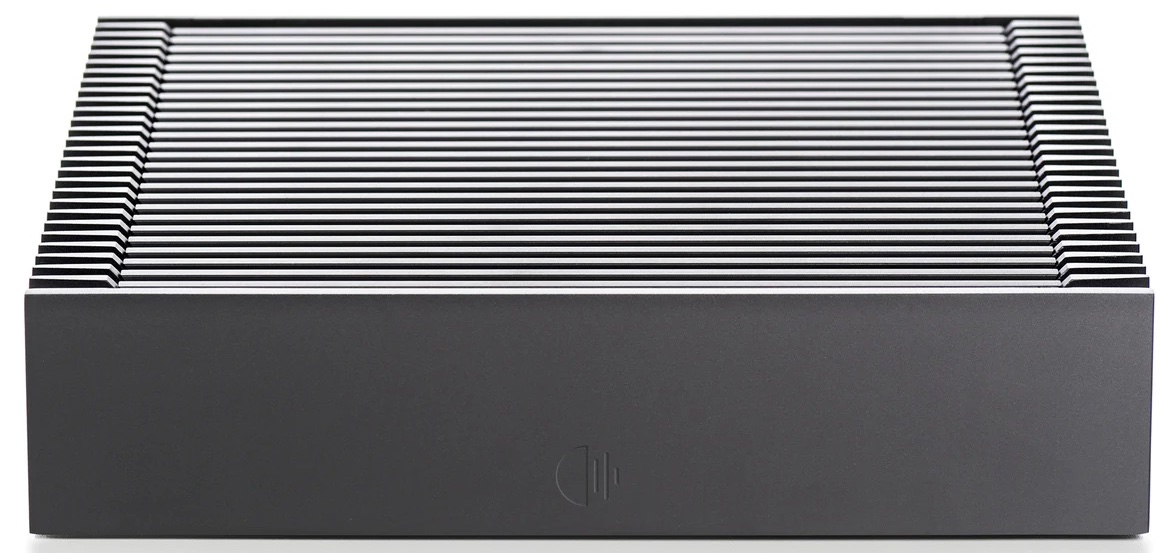
Those not members of the DIY gang would be happiest using Roon Nucleus as their Roon Core. Roon Labs has designed Nucleus to be a no fuss appliance that keeps OS and Roon Controller up to date software wise. Roon Nucleus is audibly and electrically quiet as a result of its fanless design and custom power supply that replaces the laptop switching power supply used with similar systems.
After the break, we’ll look at the alternatives in more detail.
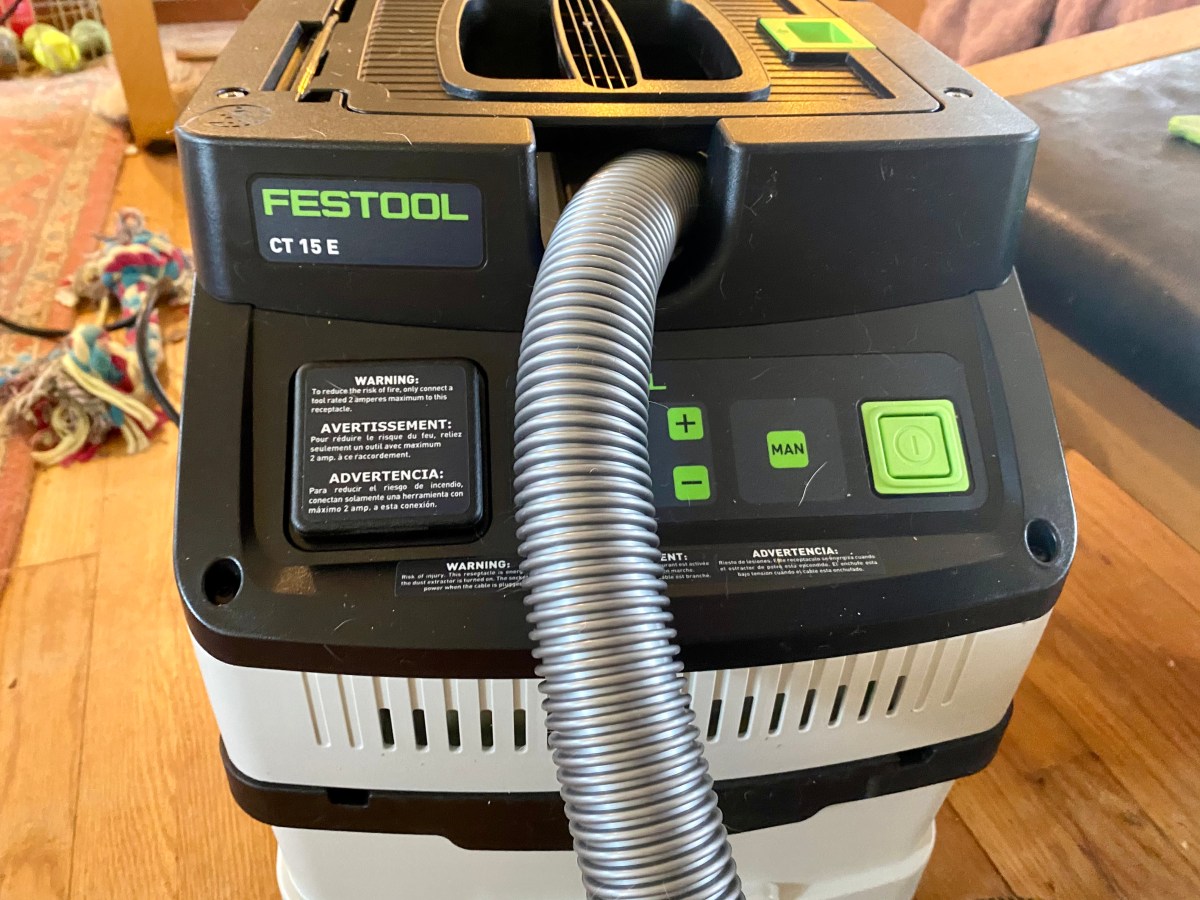
I tired of the Dyson’s canister’s small bin (3 empties per cleaning), propensity to clog, and dust belching manors. So I did what I was tempted to do years ago. I ordered a Festool Extractor CT15E for use as a domestic vacuum. How’s that working out? Pretty well actually. More after the break.
A few days ago, I watched a young gentleman comment on selection of amplification for Magnepan Magneplanar Loudspeakers. He is a Maggie fan and has owned a number of Maggies and paired them with various new and used amplifiers. Although a good presenter, he managed not to offer much insight into Magneplanar speaker behavior. So, I’ll tell you what I’ve learned in the 5 months or so this pair has been here.
You must be logged in to post a comment.